
Zinc Oxide Thailand: Market, Uses, and Sourcing Guide
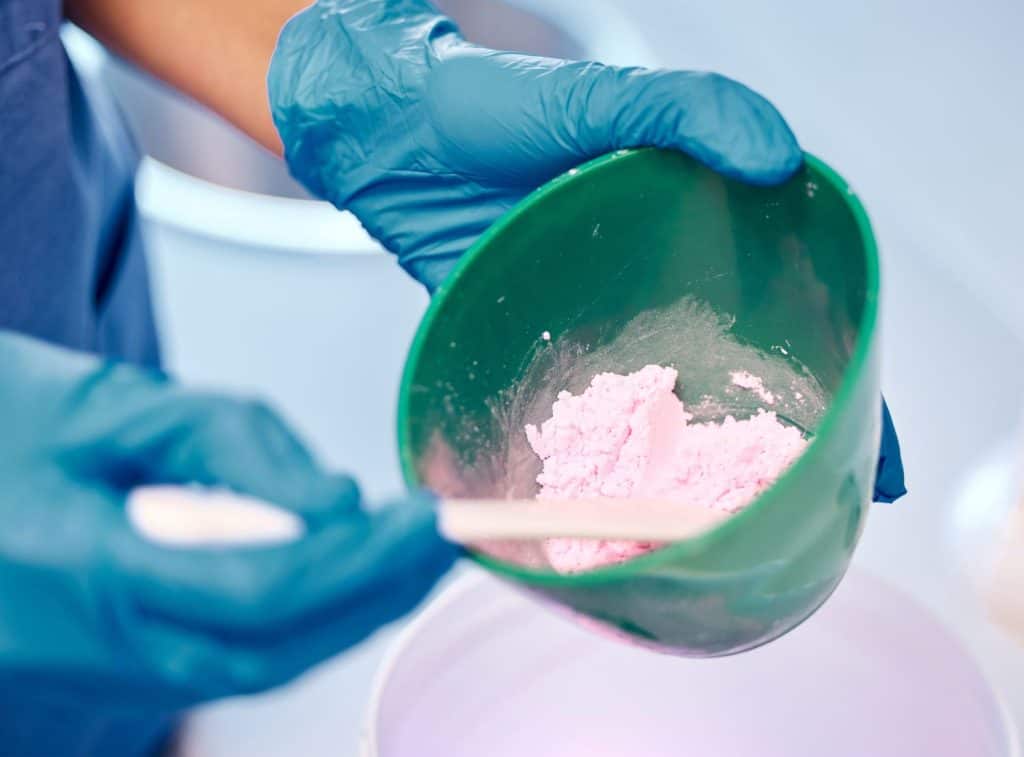
Zinc oxide is a deceptively simple white powder that sits at the center of several critical industries, from rubber and ceramics to sunscreens and pharmaceuticals. In this text we focus on zinc oxide in Thailand: why it matters locally, how it’s used across industries, what the market and trade dynamics look like, and practical guidance for sourcing high-quality material. We’ll also cover regulatory requirements and sustainability considerations so you can make informed decisions whether you’re a buyer, manufacturer, or investor working in Thailand or sourcing from Thai suppliers.
What Zinc Oxide Is And Why It Matters In Thailand
Zinc oxide (ZnO) is an inorganic compound appearing as a fine white powder with broad chemical stability, high thermal conductivity, and notable UV absorption. Globally it’s valued for its multifunctional properties: it acts as an activator in rubber vulcanization, a pigment and opacity agent in coatings, an antimicrobial in personal care, and an active ingredient in sunscreens and topical pharmaceuticals.
In Thailand zinc oxide matters for several reasons. First, the country is home to a sizable rubber and tyre industry, rubber producers and tyre manufacturers depend on consistent, high-quality ZnO for product performance. Second, Thailand’s ceramics, construction, and paint sectors use ZnO for both technical and aesthetic reasons. Third, the growing domestic personal care and pharmaceutical markets increasingly require ZnO that meets stringent cosmetic and medicinal grades. Finally, Thailand’s strategic location in Southeast Asia makes it an attractive hub for regional trade: manufacturers here both consume and re-export zinc oxide, linking local supply chains to wider Asia-Pacific demand.
Key Uses And Industry Applications In Thailand
Zinc oxide’s versatility shows up across disparate manufacturing processes. Below we outline the primary applications in Thailand and explain why ZnO grades and specifications differ by sector.
Rubber And Tyre Manufacturing
Rubber compounds require ZnO as an activator that promotes efficient vulcanization and improves cross-linking with sulfur. In tyre and rubber goods production, a major Thai industry, ZnO enhances tensile strength, abrasion resistance, and dynamic performance. Manufacturers typically demand a consistent particle size distribution, low chloride content, and predictable reactivity. Small variations in ZnO quality can shift cure rates and final mechanical properties, so reliability matters as much as price.
Ceramics, Glass And Paints
In ceramics and glass, ZnO serves as a flux and a source of zinc for glazes and finishes, influencing color, gloss, and thermal behavior. For paints and coatings, ZnO delivers opacity, mildew resistance, and UV stability. Thai coating producers often specify ZnO with controlled whiteness and oil absorption characteristics: impurities like iron can discolor final products, so trace-metal specs are closely monitored.
Personal Care, Pharmaceuticals, And Sunscreens
Zinc oxide’s broad-spectrum UV blocking and skin-soothing antimicrobial attributes make it indispensable in sunscreens, diaper creams, and topical medicines. In these segments the cosmetic and pharmaceutical grades of ZnO differ substantially from industrial grades: particle size (including nano vs. non-nano), surface treatment (coated vs. uncoated), and purity thresholds are critical. Thailand’s domestic cosmetic market and export-focused contract manufacturers increasingly request ZnO that complies with international safety standards and cosmetic monographs.
Thailand Market Size, Production Capacity, And Trade Dynamics
Thailand’s zinc oxide market is shaped by domestic consumption from rubber, coatings, ceramics, and personal care, combined with regional trade flows. While exact figures fluctuate year-to-year, we can summarize the market dynamics and capacity trends important to buyers and planners.
Historically Thailand has relied on a mix of local production and imports. Local producers supply industrial-grade ZnO suited for rubber and ceramics, while higher-purity cosmetic and pharmaceutical grades often come from imported sources or specialty manufacturers with advanced refining and surface-treatment capabilities. Production capacity is concentrated near petrochemical and mineral-processing clusters where raw materials and logistics are accessible.
Demand growth is closely tied to the health of downstream industries: expansions in tyre production or a spike in construction activity directly increase ZnO consumption. Conversely, downturns in global tyre demand or raw material price shocks can quickly reduce volumes and strain inventories.
Major Producers, Suppliers, And Regional Hubs
Major Thai zinc oxide producers tend to be medium-to-large chemical manufacturers located in industrial provinces with good port access. Some domestic firms specialize in industrial grades for rubber and ceramics: others operate joint ventures or distribution partnerships with international specialty chemical houses to offer cosmetic and pharmaceutical grades. Regional hubs for trade include Laem Chabang and Bangkok ports, which ease export to ASEAN neighbors, China, and South Asia.
Import/Export Trends And Pricing Drivers
Imports supply higher-purity ZnO and niche surface-treated products that local producers may not offer. Key import drivers include price competitiveness of source countries, freight costs, and currency movements. Exports usually follow tyre or component export cycles: when domestic tyre makers ramp up, we occasionally see increased ZnO movement through Thai ports as manufacturers hedge inventories.
Pricing for ZnO is influenced by zinc metal prices, energy and transport costs, and feedstock availability. Disruptions in zinc ore supply or significant swings in global commodity markets will ripple into local ZnO contract terms. Buyers in Thailand frequently negotiate monthly or quarterly contracts tied to reference zinc prices with freight and quality clauses to stabilize supply.
Quality Standards, Regulatory Requirements, And Certifications
Quality and compliance vary by end use. For industrial applications, specifications typically cover chemical assay (ZnO %), loss on ignition, chloride and sulfate limits, particle size distribution, and trace metals. For cosmetics and pharmaceuticals, additional parameters include microbiological limits, heavy metal thresholds (lead, cadmium, arsenic, mercury), and particle morphology.
Regulatory frameworks that impact ZnO in Thailand include the Thai FDA for cosmetics and medicines, Ministry of Industry guidance for chemical handling, and environmental regulations governing emissions and waste from production sites. For exports, international standards such as ISO certifications (e.g., ISO 9001 quality management) and product-specific monographs (e.g., USP for pharmaceutical-grade ZnO) become important.
Certifications buyers should look for:
- ISO 9001, quality management systems
- GMP or ISO-related standards for pharmaceutical/cosmetic suppliers
- Material Safety Data Sheets (MSDS) consistent with GHS
- Test certificates showing batch-specific assay and impurity data
We advise requiring batch COAs and third-party testing for critical applications: that extra step mitigates risk when switching suppliers or importing unfamiliar grades.
Sourcing, Logistics, And Supply Chain Considerations
Securing a reliable supply of zinc oxide in Thailand means balancing quality, cost, lead times, and regulatory compliance. Logistics, from inland trucking to port handling, can materially affect landed cost and timing, especially for bulk shipments or sensitive cosmetic-grade material.
Key considerations when planning supply:
- Lead Times: Industrial buyers often maintain safety stock equal to several weeks of consumption. Specialty grades may have longer lead times due to limited suppliers.
- Packaging: ZnO can be shipped in paper bags, multi-wall bags, or bulk containers. Cosmetic/pharma grades usually require sealed, hygienic packaging to prevent contamination.
- Storage: ZnO is stable but should be stored dry and away from strong acids. Humidity control prevents caking.
- Freight and Incoterms: Define responsibilities clearly (FOB, CIF, DAP) to avoid disputes over damage or customs delays.
How To Evaluate Suppliers And Ensure Product Consistency
We recommend a process-driven approach:
- Request technical datasheets and batch COAs for prior shipments. Compare assay, particle size, and impurity profiles.
- Audit production capabilities when possible, observe drying, milling, and packaging practices. For cosmetic/pharma grades, confirm hygienic zones and GMP adherence.
- Ask for sample evaluation in your specific formulations or processes. Lab performance beats paper specs every time.
- Negotiate trial orders with clear quality acceptance criteria and rejection terms. Include penalties or remediation steps in longer contracts.
- Maintain diversified sourcing: one primary supplier plus a vetted secondary reduces risk if a plant outage occurs.
We’ve found that those who treat ZnO procurement as a technical partnership, not a pure commodity purchase, enjoy more stable quality and fewer production surprises.
Sustainability, Environmental Issues, And Future Outlook
Environmental and sustainability concerns are increasingly influencing zinc oxide production and procurement. Primary issues include energy intensity of production, potential emissions during processing, and responsible sourcing of zinc feedstocks.
Producers are adopting cleaner energy sources, closed-loop water systems, and improved dust control to reduce environmental footprints. For buyers, asking suppliers about emissions data, waste handling, and energy sources is becoming standard practice, many international customers now require environmental declarations or supplier sustainability questionnaires.
Looking ahead, demand drivers for zinc oxide in Thailand include continued growth in regional tyre manufacturing, expanding personal care exports, and rising standards for product performance that favor specialty ZnO grades (e.g., surface-treated or nano/non-nano distinctions). We also expect incremental consolidation in the supplier base: producers that invest in cleaner, higher-precision manufacturing will capture more of the cosmetic and pharmaceutical market, while commodity suppliers will continue serving bulk industrial needs.
Finally, circular economy concepts may influence the sector. Recycling zinc from end-of-life products and integrating recycled zinc streams into ZnO production could become commercially viable as regulations and technologies mature.
Conclusion
Zinc oxide Thailand plays a quietly vital role across several cornerstone industries. Whether we’re working with rubber compounders, coatings formulators, or cosmetic manufacturers, understanding the distinctions between grades, the market’s supply dynamics, and the regulatory landscape is essential.
For buyers and planners: prioritize supplier transparency, require batch-level testing, and build contingency plans for logistics and pricing volatility. For producers and investors: focus on quality differentiation, environmental performance, and nimble trade strategies to capture growing regional demand.
In short, zinc oxide is more than a commodity in Thailand, it’s a performance ingredient that rewards technical attention and responsible sourcing. If we approach procurement and production with that mindset, we can secure supply, ensure product integrity, and position ourselves for the next phase of industry growth.