BKK Tailor: How to Get the Best Fit, Fabrics, and Value in Bangkok
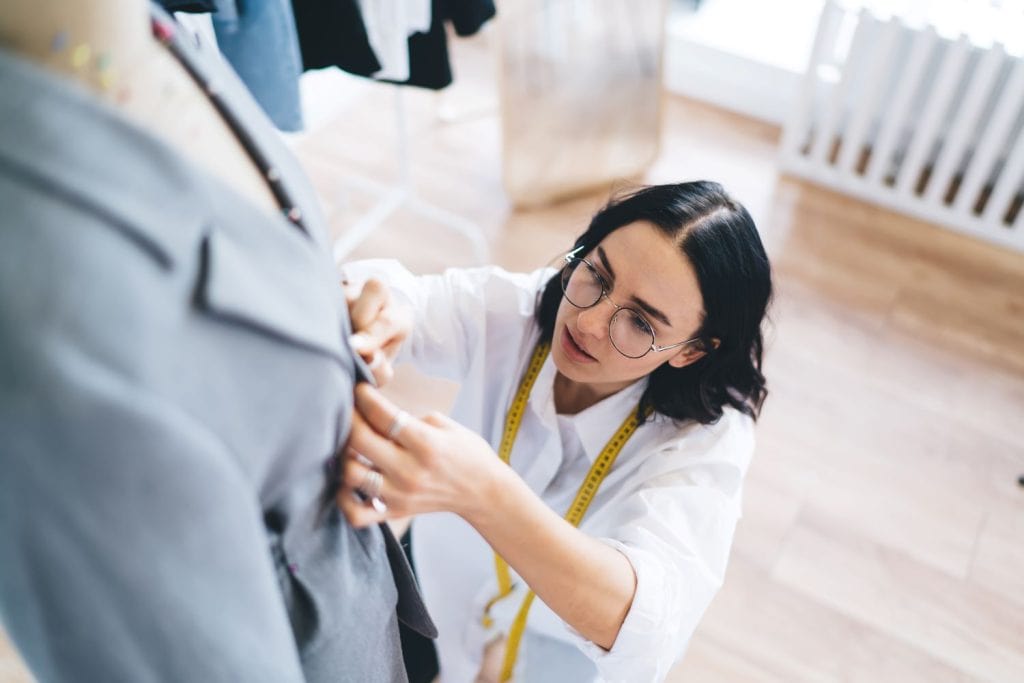
Bangkok has a global reputation for skilled tailors, competitive prices, and fast turnaround. If you’re considering a custom suit, shirt, or dress, knowing how Bangkok tailoring works will save you time, money, and a lot of frustration. In this guide we walk through why a tailor in Bangkok is worth considering, the tailoring options you’ll encounter, what happens on your first visit, fabric and construction choices, pricing and payment tips, how to choose the right tailor, and common post-pickup issues and care. Our aim is to give you practical, actionable advice so your BKK tailor experience gives you pieces that fit beautifully and last.
Why Choose A Tailor In Bangkok
Bangkok has become synonymous with quality tailoring for several good reasons. First, the city combines decades of tailoring tradition with a very competitive market, which translates into excellent craftsmanship at prices lower than what most western cities offer. Second, the range of services is extensive, from simple alterations to full bespoke suits, meaning you can find a tailor who matches your needs and budget within a few blocks in central districts.
We often recommend Bangkok tailoring for travelers and locals alike because the value proposition is hard to beat: experienced cutters, access to international fabric mills, and quick turnaround times. Many tailors also cater to English-speaking clients, which reduces communication friction. Finally, if timing is a priority, Bangkok shops commonly manage rush orders without compromising fit, provided you manage expectations and confirm timelines up front.
That said, the market is mixed. There are exceptional ateliers and also shops that prioritize volume over fit. Knowing what to look for before you commit will drastically improve your results.
Understanding Tailoring Options: Bespoke, Made‑To‑Measure, And Alterations
When you walk into a Bangkok tailor, you’ll encounter three main service levels: bespoke, made‑to‑measure (MTM), and alterations. Each has different processes, price points, and expected outcomes.
- Bespoke: True bespoke means the garment is cut from scratch for your body, often with multiple fittings and a unique pattern drafted just for you. It’s the most time-consuming and typically the most expensive option, but it yields the best fit and customization options, from canvas construction to hand‑sewn buttonholes.
- Made‑To‑Measure: MTM starts from a standard block pattern that’s adjusted to your measurements. It’s faster and less costly than bespoke, and for many people it provides an excellent balance of value and fit. You get customization (lapel shape, pocket type, lining, etc.) without the full bespoke price.
- Alterations: If you already own a garment, alterations are the quickest and cheapest way to improve fit. Tailors in Bangkok are skilled at taking in or letting out seams, shortening sleeves, and adjusting trousers, but the underlying garment limits how dramatic a change you can make.
We advise choosing the level that matches your goals. For investment pieces you’ll wear often, bespoke or high-quality MTM is worth it. For travel wardrobes or quick needs, MTM or careful alterations will do the job.
What To Expect During Your First Visit
Your first visit sets the tone for the whole process. Here’s what typically happens and what you should prepare for:
- Consultation: The tailor will ask about the occasion, your style preferences, and how you like garments to fit. Bring reference photos or examples, visuals speed up the conversation.
- Measurements: Expect a thorough measurement session. For suits this includes chest, waist, hips, shoulders, sleeve length, and more detailed points like posture and shoulder slope. For shirts, the collar, arm length, and chest are measured precisely.
- Fabric Selection: You’ll browse swatches. Ask about fabric weight, seasonality, fiber content, and origin. We suggest touching swatches and asking how they drape.
- Initial Pattern or Template: For MTM, the tailor adjusts a block pattern. For bespoke, they may draft a new pattern. For alterations, they’ll examine your existing garment to identify feasible changes.
- Fittings Schedule: The tailor will propose a fitting timeline. Most MTM suits have one or two fittings: bespoke may require three or more. Confirm dates and the number of fittings before you commit.
- Deposit & Communication: Expect to leave a deposit. Clarify how the tailor updates you (text, WhatsApp, in‑shop) and who the point person is for questions.
Being prepared, wearing similar shoes you’ll pair with the suit, bringing a dress shirt you already own, and having photos of styles you like, makes the visit more efficient and accurate.
Fabrics, Styles, And Construction Choices
Fabric and construction largely determine how a finished garment looks, feels, and performs. Here are the main considerations:
- Fabric Types: Wool (Super 100s–Super 150s) is the go‑to for suits. Higher Super numbers indicate finer fibers but don’t automatically mean better durability. Linen and cotton work for casual suits and tropical climates, though they crease more. Blends and performance fabrics (wrinkle‑resistant, stretch) offer practicality for travel.
- Weights & Seasons: Lighter weights (180–220 g/m) suit warm climates: heavier weights (250g/m+) are better for colder regions. Bangkok tailors are familiar with tropical weights that breathe yet keep structure.
- Construction: Canvas construction (full or half canvas) gives shape and longevity: fused fronts are cheaper but can bubble over time. Ask whether the chest piece is fused or canvassed and how lapels are reinforced.
- Style Details: Decide on lapel width, vents (single, double, or no vent), pocket style, lining color, and buttons. Small choices, pick stitching color, button hole orientation, collar roll, influence how bespoke the piece feels.
- Shirt Construction: Look for reinforced collars, split yokes for movement, and single‑needle stitching for cleaner seams.
We recommend prioritizing construction over a superficial fabric label. A well-constructed mid‑range fabric often outperforms a poorly constructed high‑end cloth.
Pricing, Turnaround Time, And Payment Tips
Prices in Bangkok vary widely depending on service level, fabric, and shop reputation. Here’s a realistic snapshot and payment guidance:
- Typical Pricing (approximate ranges):
- MTM suit: $120–$400 depending on fabric and construction.
- Bespoke suit: $350–$1,200+ (higher for premium fabrics and full canvas).
- Dress shirts: $25–$80 each.
- Alterations: $5–$50 depending on complexity.
- Turnaround Time: MTM suits can take 5–14 days: bespoke may take 2–6 weeks. Alterations are usually completed within 24–72 hours for common adjustments. If you need a rush, expect an added fee.
- Payment & Deposits: Most shops ask for a 30–50% deposit at order. We advise confirming refund and revision policies in writing (or via message). Keep receipts and ask for photos of work-in-progress if you’re not in town for fittings.
- Negotiation & Value: Always ask about included fittings and revision limits. Bargaining is common, but prioritize value, a slightly higher price for a tailor with many positive reviews and examples of previous work is often worth it.
- Currency & Fees: Many shops accept cash (THB) and some accept credit cards but may add a surcharge. Check exchange rates and avoid paying the full amount in foreign currency unless clearly agreed.
Transparent communication about price and timelines prevents most surprises.
How To Choose The Right Bangkok Tailor
Selecting the right tailor is mostly about aligning expectations, communication, and evidence of quality. We use this checklist when recommending or choosing a shop:
- Portfolio & Photos: Look for recent photos of finished garments, not just fabric books. Ask for customer references or online reviews.
- Fit Philosophy: Some tailors favor slimmer modern cuts: others provide classic, roomy fits. Tell them how you like your clothes to fit and see if their examples match.
- Language & Communication: Clear communication is essential. If English is limited, ensure measurements and specifications are confirmed in writing.
- Trial & Revision Policy: Ask how many fittings are included and who pays for revisions. A reputable shop will stand behind their work and offer reasonable alterations after pickup.
- Workshop Visit: If possible, visit the workshop. Seeing the space and how tailors work gives confidence in their process and cleanliness.
- Price vs Reputation: Avoid choosing solely on price. A very cheap suit that requires constant adjustments ends up costing more in time and disappointment.
We recommend starting with a small project (a shirt or simple alteration) before committing to multiple suits. That gives you a low‑risk way to evaluate fit and service.
Common Issues, Revisions, And Care After Pickup
Even with an excellent tailor, small issues sometimes arise. Here’s how to handle them and how to care for your garments:
- Typical Revisions: Common post‑pickup tweaks include shortening sleeves, adjusting trouser length, or tightening the waist. Most tailors include a fitting window for these tweaks, use it.
- What To Check at Pickup: Try on the whole outfit with the shoes you’ll wear, button the jacket, sit down, and move around. Check shoulder seams, collar lie, hem lengths, and trouser break.
- If Something’s Off: Politely point out the issue and request the specific revision. Good tailors will correct fit problems promptly. If they resist, refer to your agreed revision policy.
- Care & Maintenance: For suits, dry clean sparingly, about twice a year if worn often. Hang suits on wide wooden hangers, brush them after wear, and rotate garments to let fibers recover.
- Storing Shirts: Button the top button and store on slim hangers to preserve shape. For linens, expect more creasing: steam instead of over‑ironing to maintain fabric integrity.
- Long‑Term Relationship: If you find a tailor who understands your fit and style, nurture that relationship. Over time they’ll build a pattern for you, speeding future orders and improving consistency.
Being proactive about fittings and straightforward in communication resolves most issues quickly.
Conclusion
Bangkok is an excellent destination for anyone seeking quality tailoring with strong value. Whether you choose bespoke, MTM, or smart alterations, the key to success is clear communication, realistic expectations, and a willingness to invest in good construction. We find that taking the time to research tailors, visiting the workshop, and starting with a smaller project pays off, you’ll end up with garments that look better, feel better, and last longer.
Bespoke Vs Made‑To‑Measure: Key Differences
Bespoke is fully custom: a new pattern drafted for you and multiple fittings. MTM adjusts a pre‑existing block pattern to your measurements. Bespoke offers higher customization and typically superior fit, while MTM gives faster turnaround and lower cost with solid fit for most people.
Typical Measurement Checklist For Suits And Shirts
For suits we usually record: neck, chest, waist, hips, shoulder width, back length, sleeve length, jacket length, thigh, knee, and trouser hem. For shirts: neck, chest, waist, shoulder width, sleeve length, cuff, and shirt length. Bring accurate shoes and undergarments to your measurement appointment to ensure the most precise fit.
If you’re planning a trip to Bangkok for tailoring, we’re happy to answer more specific questions, whether it’s picking fabrics for tropical wear, timing fittings around your travel schedule, or recommending what to order first. Your best-fitting garments could be one fitting away.